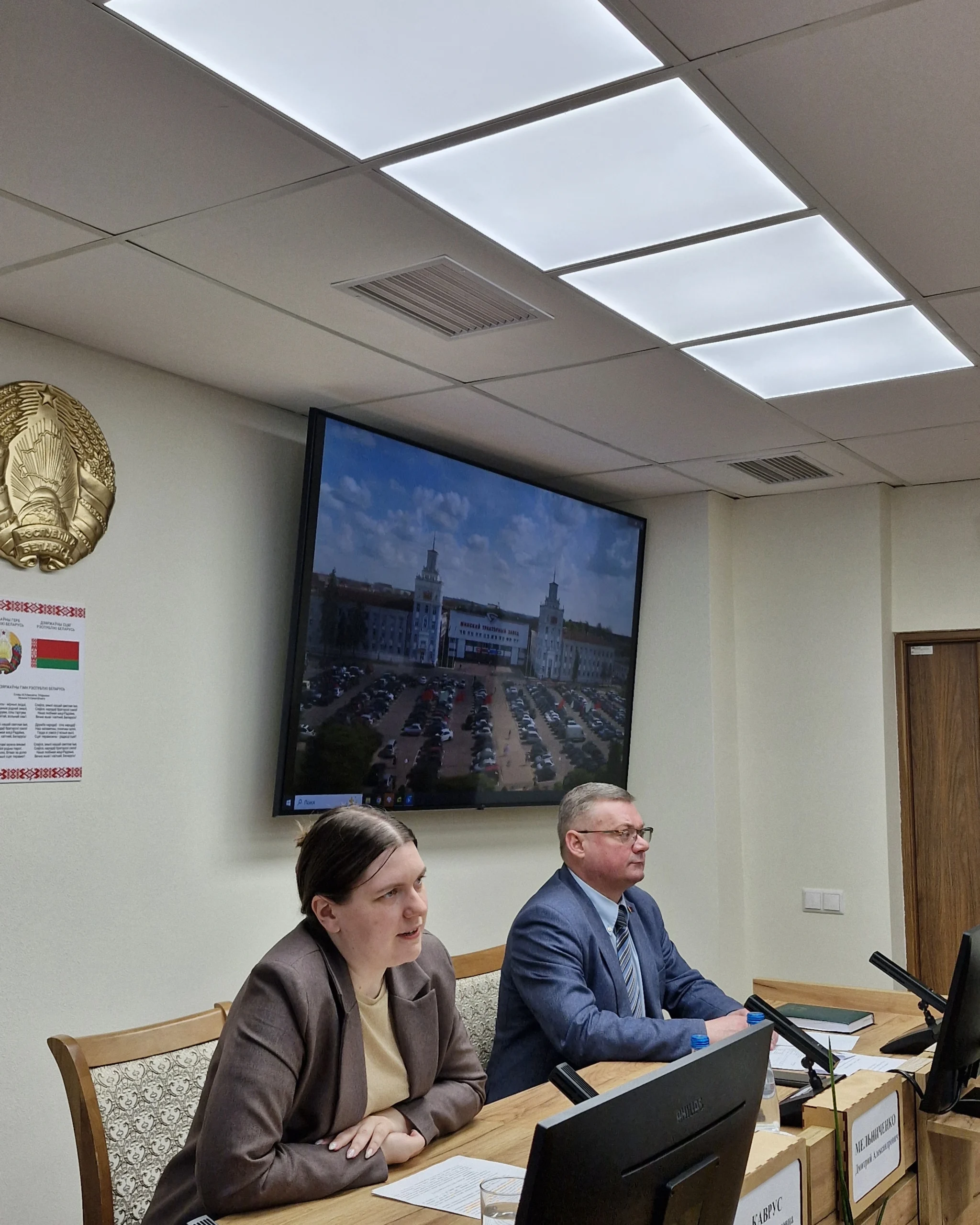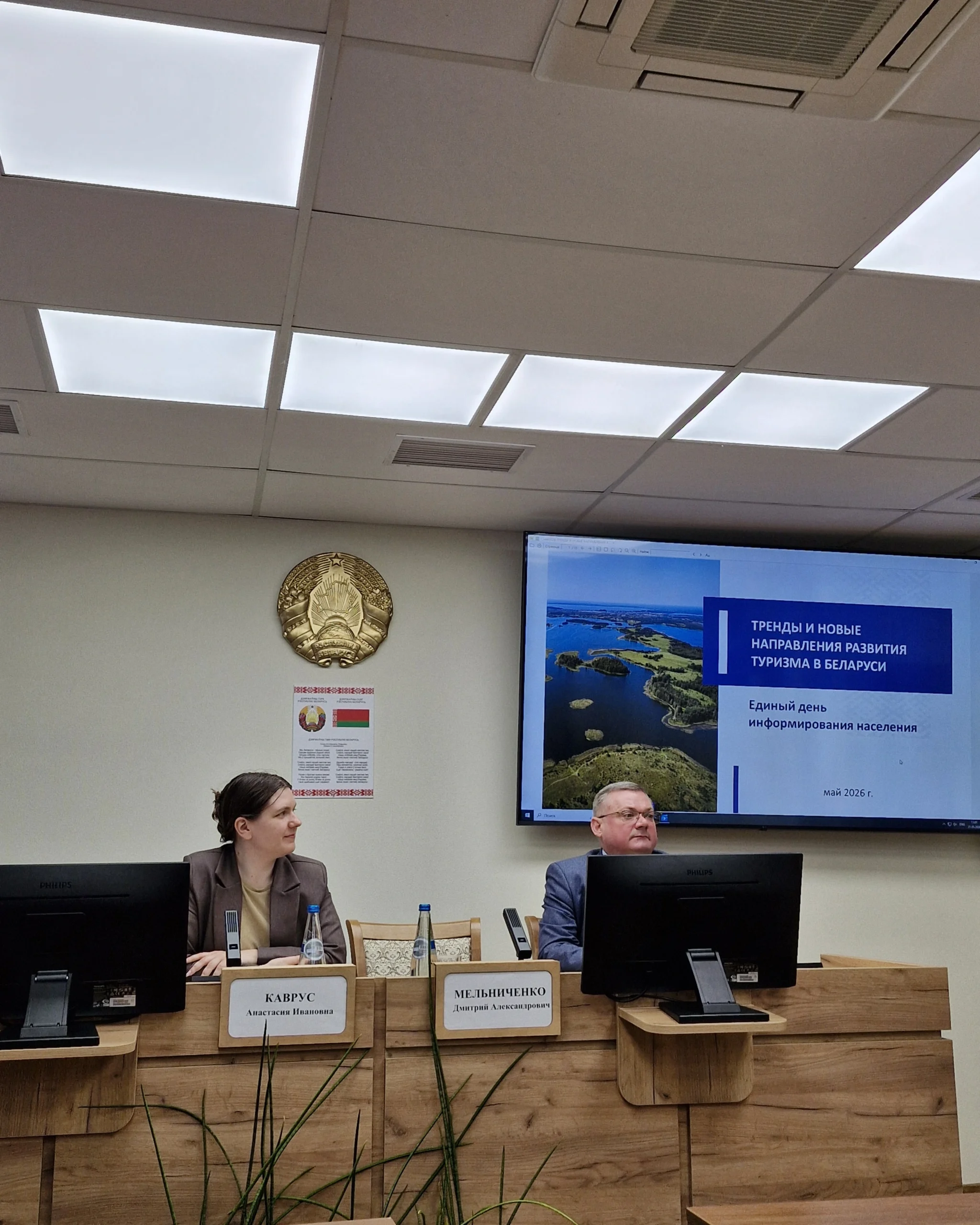

At the single information day on “Trends and New Directions in the Development of Tourism in Belarus”, Anastasia Kavrus, Head of the Tourism Development Department at the Minsk Information and Tourist Centre, spoke about the key directions shaping the tourism industry.
-
Tourism as a Driver of the Economy. The development of tourism contributes to economic growth, supports related industries, and helps preserve historical heritage, natural and cultural values. In 2026–2030, the contribution of tourism to the Belarusian economy is planned to increase at least twofold — up to 4.5%. -
New Tourist Expectations. Today, travellers are looking not only for standard excursions, but also for high-quality service, emotions, impressions and unusual routes. Authentic tourism products that allow visitors to discover Belarus from a new perspective are becoming increasingly popular. -
Agroecotourism. There is steady demand for countryside recreation and opportunities to experience authentic Belarus. In 2025, agroeco estates welcomed more than 470,000 tourists, about 95% of whom were Belarusians. -
Historical, Cultural and Religious Tourism. Belarus’s unique architectural and historical heritage remains an important direction for tourism development. Key sites include Mir Castle, Nesvizh Castle, Brest Fortress, Belovezhskaya Pushcha, as well as churches and spiritual centres across the country. -
Event, Industrial and Active Tourism. Interest is growing in festivals, regional celebrations, industrial excursions and active recreation. More than 130 enterprises are open to visitors, while facilities such as Silichy and Raubichi contribute to the development of active tourism. -
Health Resort and Medical Tourism. Health resort treatment remains one of the leading directions of domestic tourism. Medical tourism is also growing: in 2025, more than 176,000 foreign citizens from 160 countries visited Belarus for treatment.
Anastasia Kavrus noted:
Tourism in Belarus is becoming increasingly diverse, modern and accessible. Improving service quality, digitalisation and the creation of new tourism products that reveal the potential of the regions remain important tasks for the industry.