
For Belarus, the consequences were particularly severe. Around 70% of radioactive fallout affected its territory. More than 20% of agricultural land and a significant part of forests were contaminated, and thousands of settlements were affected. Hundreds of villages disappeared from the country’s map — people left their homes forever, losing their familiar way of life, their roots and their sense of security.
The Chernobyl tragedy changed the lives of millions. Behind the dry figures are real human stories: damaged health, forced resettlement, and years of anxiety about the future of children. For four decades, our country has been consistently overcoming the consequences of the accident through large-scale state programmes aimed at restoring contaminated territories and protecting the population. These measures have played a key role in reviving the affected regions, returning land to economic use and improving people’s quality of life.
Even after four decades, Chernobyl remains not only a page of history, but also living memory. It is the memory of the courage of the liquidators, who risked their lives to stop the spread of the disaster. It is the memory of those who lost their health and their homes. It is a memory that obliges us. It reminds the whole world of the cost of mistakes, the fragility of nature, and the importance of protecting life, health and the environment. Chernobyl teaches responsibility — to ourselves, to future generations and to the entire planet.
On 25 April, on the eve of the 40th anniversary of the disaster at the Chernobyl Nuclear Power Plant, the Centre held a ceremony honouring employees who took part in the liquidation of the accident’s consequences. Viktor Murashko and Andrey Sushchinsky received letters of appreciation from the Centre’s management for their contribution, courage and dedication.
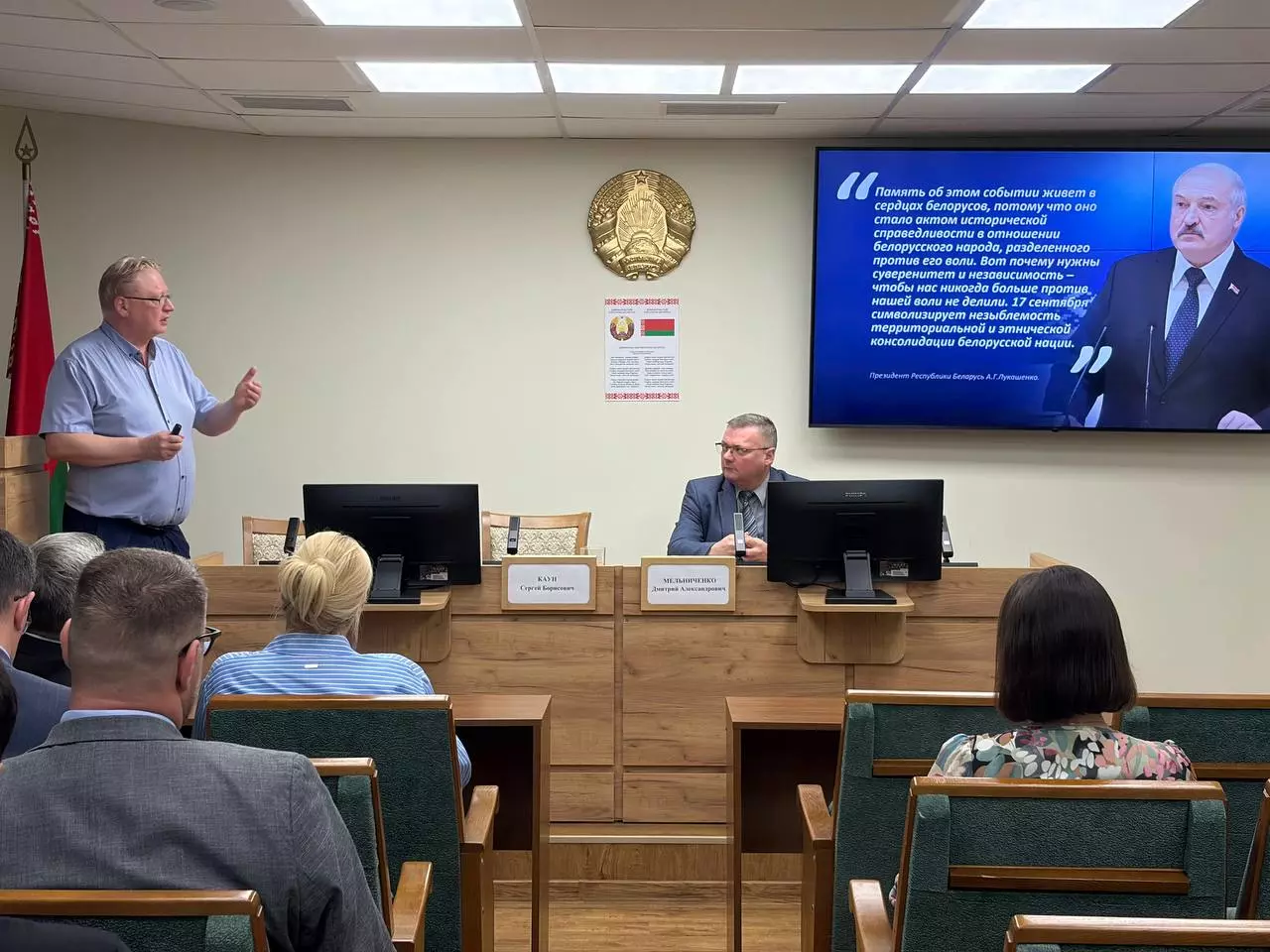
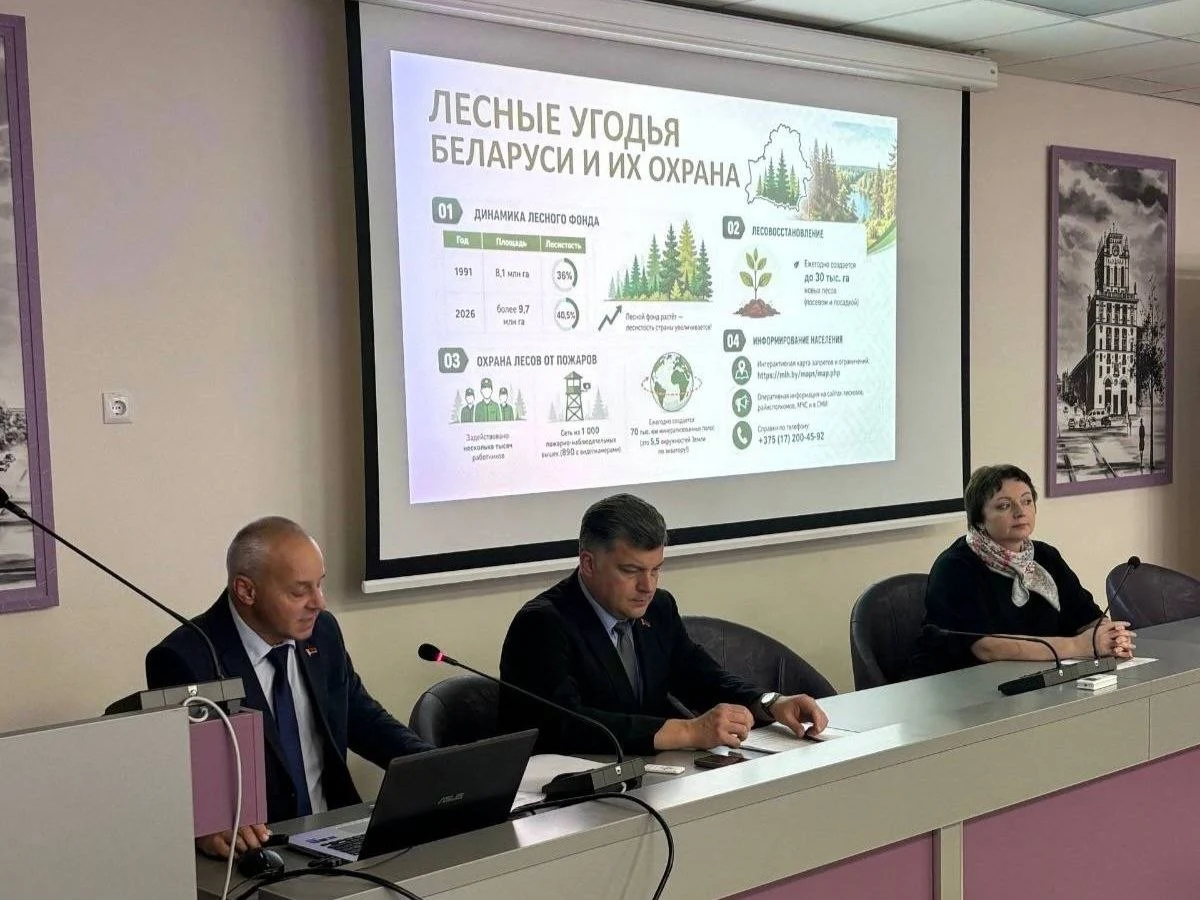
As part of the commemorative events, the Research and Production Centre for Geology hosted the event “40 Years Later”, organised by the Ministry of Natural Resources and Environmental Protection under the leadership of Deputy Minister Alexey Stasyukevich. Viktor Murashko and Andrey Sushchinsky took part in the event. Their personal example and contribution serve as a reminder of the courage of those who were among the first to confront this tragedy. The event concluded with a flower-laying ceremony at the memorial sign “To the Victims of Chernobyl” in the Park of Peoples’ Friendship.
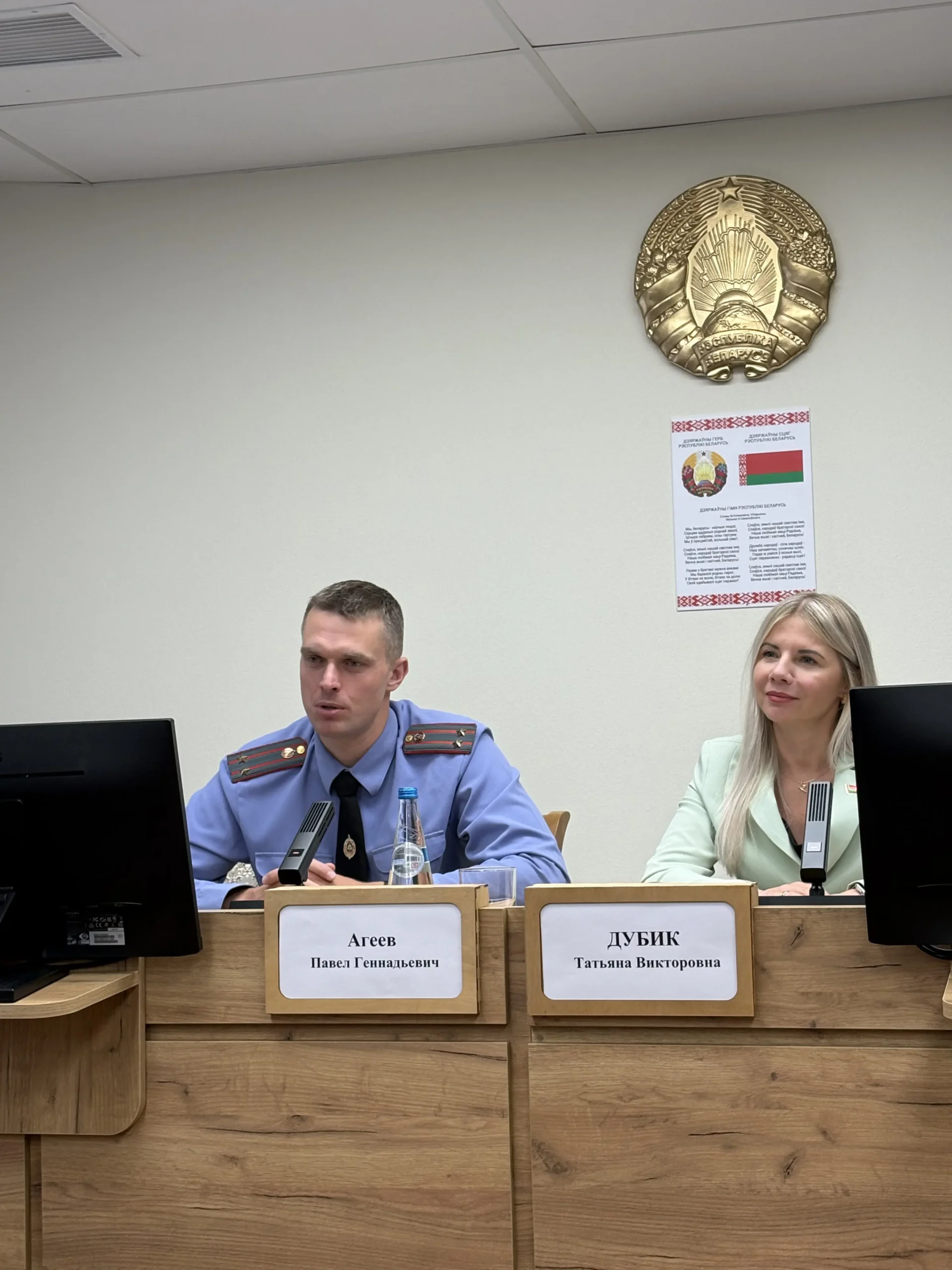
The commemorative events dedicated to the 40th anniversary of the accident continued on 26 April. The Director of the Centre, Tatiana Dubik, together with a delegation from the Ministry of Natural Resources and Environmental Protection, took part in a flower-laying ceremony, paying tribute to the victims of the tragedy.